Integrating Yoga into Athletic Training: How Mindfulness, Breath, and Recovery Enhance Performance
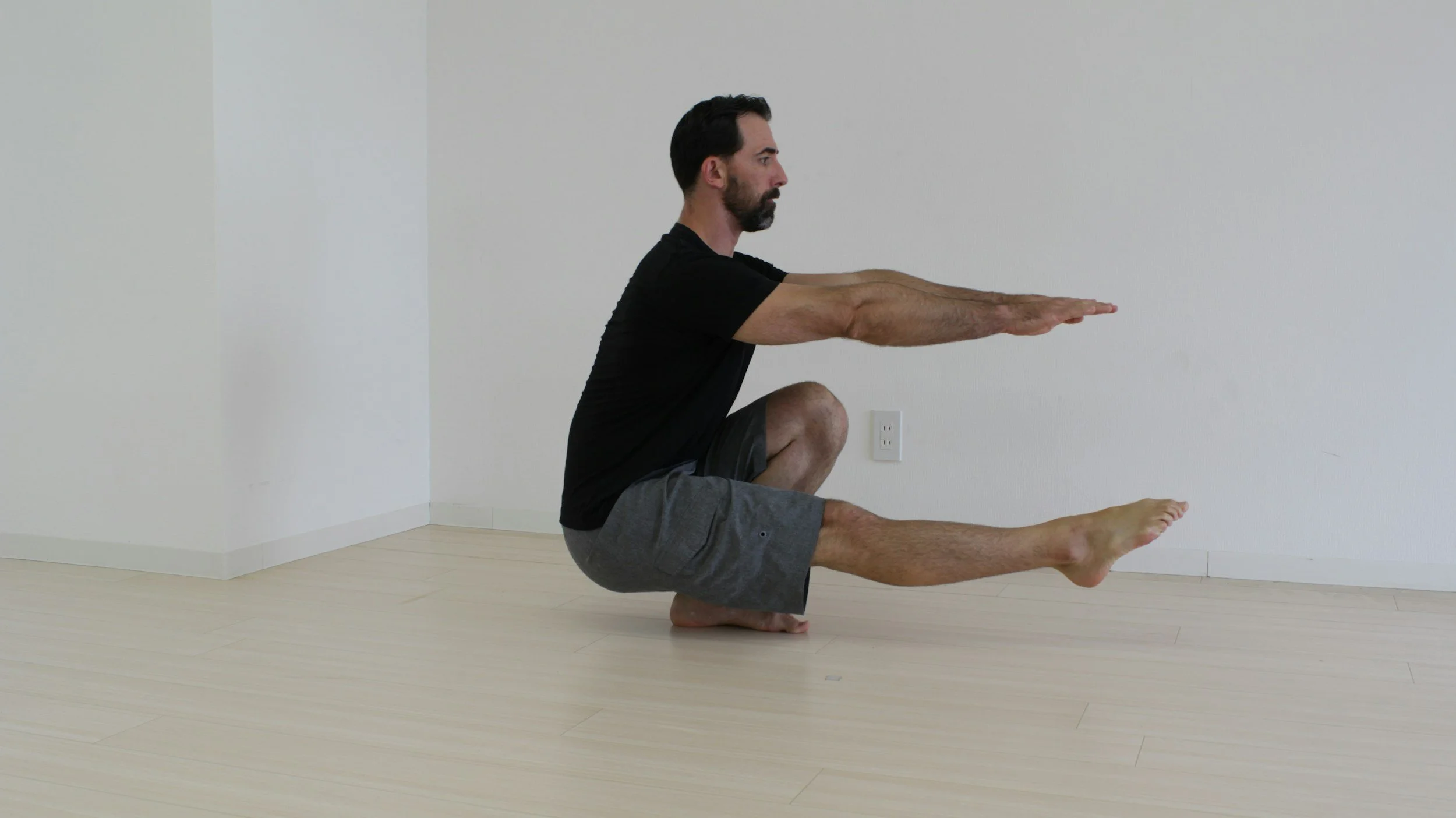
Modern sport culture often emphasizes relentless effort; pushing through fatigue or pain, maintaining high training volumes, and prioritizing output over recovery. Yet, research across exercise physiology, neuroscience, and psychology increasingly shows that self-regulation, interoceptive awareness, and rest are integral to long-term athletic success. Yoga, when integrated intentionally into an athlete’s routine, provides evidence-based strategies for cultivating these attributes and restoring harmony across physiological and psychological systems.
A Systems Approach to Athletic Health
Yoga philosophy conceptualizes wellbeing through the kosha model, which describes five interdependent layers of human existence:
Annamaya kosha (physical body) – structure, strength, and nourishment.
Pranamaya kosha (energetic body) – breath and vitality.
Manomaya kosha (mental-emotional body) – thoughts, feelings, and focus.
Vijnanamaya kosha (wisdom body) – discernment, self-awareness and purpose.
Anandamaya kosha (bliss body) – contentment and joy.
Optimal health emerges when these layers function in balance, paralleling other holistic frameworks such as the Native Hawaiian Lokahi model of health, which emphasizes unity, balance and harmony among the physical, mental, spiritual, and relational dimensions of life. Both models reinforce that performance cannot be separated from wellbeing. Athletic excellence depends on integration rather than exertion alone.
Mindful Movement and Interoceptive Awareness
Yoga enhances interoception, the ability to perceive internal bodily signals such as muscle tension, heart rate, and breath depth. Studies show that greater interoceptive accuracy improves motor control, reduces injury risk, and supports adaptive training decisions.
Through mindful movement, athletes learn to observe how the body feels before, during, and after exertion. Pausing between sets, noticing asymmetries, or releasing unnecessary muscular effort cultivates both precision and safety. This awareness trains the nervous system to operate efficiently, preventing chronic sympathetic activation that often accompanies overtraining.

Breath Regulation: The Bridge Between Mind and Body
Breath control, or pranayama, is a cornerstone of yoga and a powerful performance enhancer. Controlled inhalation and exhalation synchronize respiratory and cardiovascular rhythms, improving oxygen exchange and stabilizing intra-abdominal pressure during lifts.
When athletes breathe rapidly, shallowly or hold their breath excessively, carbon dioxide levels shift, activating a stress response. In contrast, paced breathing and breath retention practices stimulate the vagus nerve, promoting parasympathetic dominance, improved focus, and endurance.
From a physiological perspective, deliberate breathing supports both neuromuscular and emotional regulation. This practice enhances strength output while maintaining cognitive composure.
Emotional Resilience and Cognitive Flexibility
Competitive sports inherently involves challenges and setbacks. Yoga’s contemplative components of mantra repetition, affirmations, and mindfulness meditation support emotional regulation by strengthening prefrontal-limbic connectivity and reducing reactivity.
Practitioners develop equanimity: the capacity to meet physical or performance limitations with discernment rather than frustration. This cognitive flexibility fosters motivation, patience during recovery, and a healthier relationship with progress.
In this way, yoga aligns with modern psychological frameworks of self-determination theory and eudaimonic wellbeing, where purpose and internal coherence drive sustainable achievement rather than external validation.
The Role of Rest and Recovery
Rest, often undervalued in athletic culture, is a critical anabolic state. Yoga’s restorative practices encourage parasympathetic activation, reducing cortisol, inflammatory cytokines, and oxidative stress; all factors that impede muscle repair and neuroplasticity.
The traditional wisdom echoed in Hawaiian philosophy “create rhythm over rush” captures a truth confirmed by sports science: progress occurs through purposeful titration between load and recovery, effort and ease. Structured pauses allow the body’s intricate systems to recalibrate, integrating strength gains and maintaining mental clarity.

Translating Practice to Performance
Yoga’s holistic methodology offers athletes practical, evidence-aligned tools to enhance performance and longevity:
Incorporate mindful movement during warm-ups and cool-downs to refine neuromuscular coordination.
Employ breath pacing to stabilize core pressure and reduce performance anxiety.
Integrate brief meditation or mantra practices post-training to facilitate emotional decompression.
Schedule restorative sessions weekly to optimize recovery, hormonal balance, and focus.
Use interoceptive feedback to guide training intensity and prevent injury.
By approaching athleticism as a multidimensional practice rather than a purely physical pursuit, athletes cultivate not only stronger bodies but also resilient minds and balanced nervous systems.
Conclusion
Integrating yoga into athletic performance is not a soft alternative to rigorous training. It is a scientifically grounded complement that enhances endurance, precision, and recovery through balance rather than excess. When mindful movement, breath regulation, and emotional resilience become part of the athlete’s discipline, performance transforms from an act of exertion into an expression of unity in body, mind, and spirit.

Recommended Readings & Citations
Frawley, D., Summerfield Koazak, S., & Farmer, A. (2001). Yoga for your type: An ayurvedic approach to your asana practice. Lotus.
Long, R., & Macivor, C. (2014). The key muscles of yoga: Scientific keys volume I. BookBaby.
Niranjanananda Saraswati. (2016). Prana and pranayama. Yoga Publications Trust.
Rountree, S. H. (2009). The athlete’s pocket guide to yoga: 50 routines for Flexibility Balance & Fitness. VeloPress ; Distributed in the U.S. by Publishers Group West.
Sullivan, M., & Hyland Robertson, L. C. (2020). Understanding yoga therapy: Applied philosophy and science for health and well-being. Routledge.